Everyone deals with clutter at some point—a stack of papers on the desk or a closet overflowing with old clothes. But when does everyday messiness cross into hoarding, a condition that can threaten health, safety, and relationships? At Pacific BioResponse Services, we’ve seen how hoarding often starts small but escalates into biohazard situations requiring professional intervention. Understanding the signs, distinguishing it from simple disorganization, and acting early can prevent long-term harm. Here’s how to identify if you or a loved one has a hoarding problem that needs attention.
Clutter is temporary and manageable—it’s the result of a busy week or delayed chores, and you can usually sort through it without much trouble. Messiness doesn’t interfere with daily life; rooms remain functional, and items have some order, even if it’s loose.
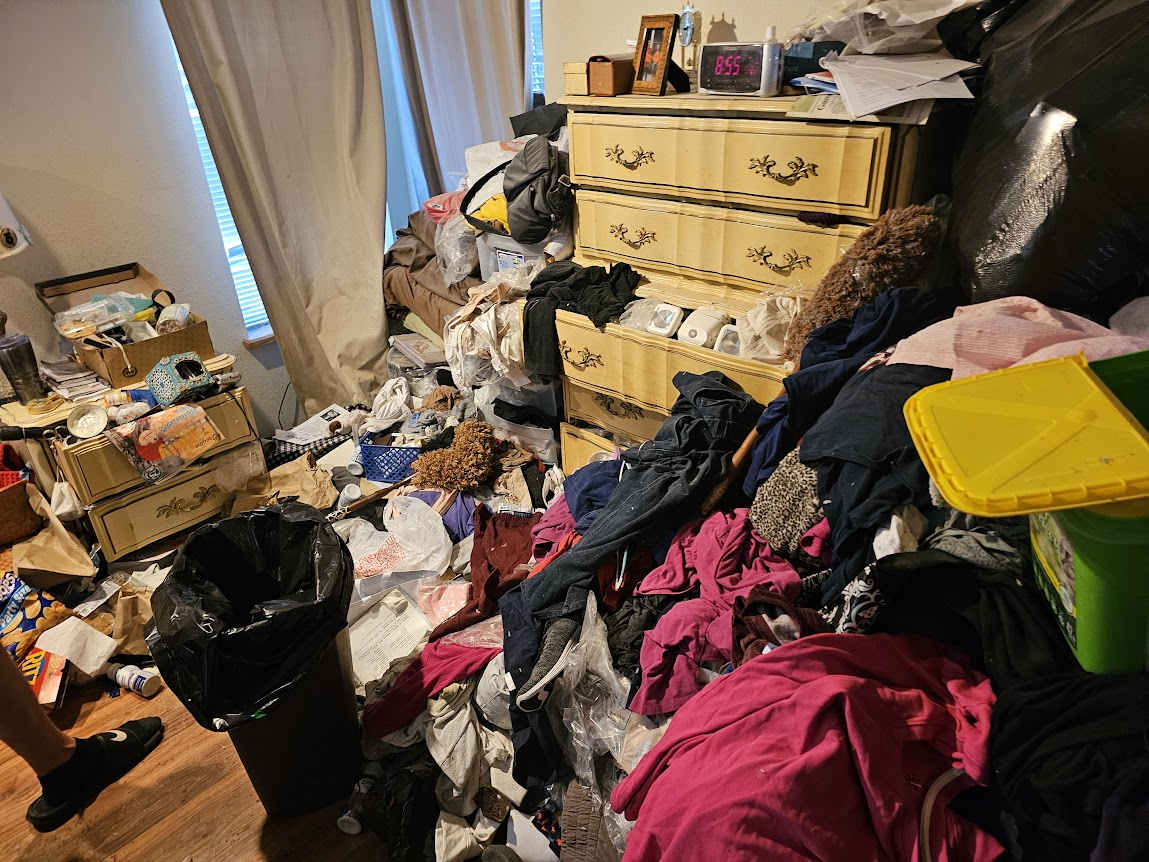
Hoarding, however, is different. It’s a persistent difficulty discarding possessions, regardless of their value, leading to excessive accumulation that overwhelms living spaces. According to mental health experts like those from the American Psychiatric Association, hoarding affects about 2-6% of the population and often stems from anxiety, trauma, or compulsive behaviors. If rooms become unusable—kitchens buried under expired food or bedrooms blocked by piles—it’s likely more than messiness.
Key signs indicate a real issue. Possessions pile up to the point where walking paths narrow, exits get blocked, or basic activities like cooking or sleeping become impossible. Emotional attachment to items is intense; attempts to clear out cause distress or arguments. Hygiene suffers as clutter hides dirt, leading to pests or mold. You or your relative might avoid inviting people over due to embarrassment, or deny the problem when confronted. Unlike clutter, which you can tackle in a weekend, hoarding resists resolution and worsens over time, turning homes into unsafe environments.
What does hoarding lead to if ignored? Physically, accumulated items collect dust, allergens, and bacteria, raising risks of respiratory issues or infections. Spoiled food or animal waste can create biohazards, attracting rodents and insects that spread diseases. Structural damage follows—clutter strains floors, blocks vents causing mold, or creates fire hazards by blocking escapes or creating flammable piles. Mentally, it isolates individuals, straining relationships and exacerbating depression or anxiety. In severe cases, it results in evictions, legal interventions, or health crises requiring emergency services.
Nipping hoarding in the bud is crucial because early action prevents escalation. Start with honest conversations, focusing on concern rather than judgment. Encourage small steps, like sorting one room, and seek support from therapists specializing in hoarding disorder. If biohazards are present—such as from built up waste, animal excrement, or mold—professional cleanup is essential to safely remove contaminants before continued cleanup and organization begins. Addressing it early restores functionality, improves mental well-being, and avoids costly repairs or health problems down the line.
Our goal is to provide compassionate, IICRC-certified biohazard remediation for hoarding situations. Our team handles contamination removal, sanitization, and odor control with discretion, ensuring a safe foundation for recovery.
If you suspect hoarding in your life or a loved one’s, don’t wait for it to worsen. Reach out to professionals for guidance and support. Contact us today for expert help in creating a safer, healthier space.